
Drinking Destroys Your Sleep
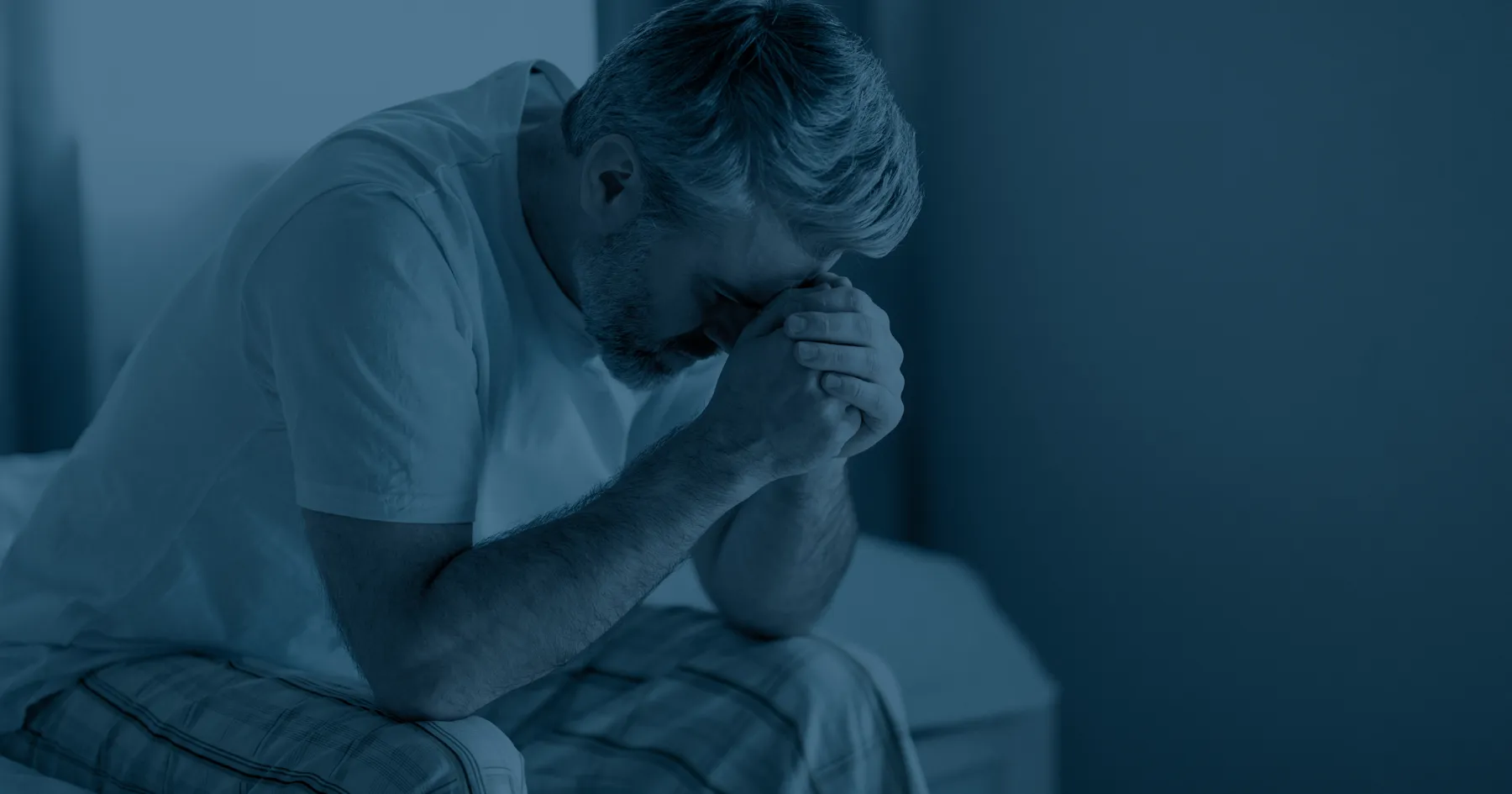
Between 36 and 91 percent of people with an alcohol use disorder also have clinical insomnia. That range, published in 2018 review in the Medical Clinics of North America, is not a typo. It reflects the fact that alcohol disrupts sleep architecture at nearly every level, from the suppression of REM cycles to the fragmentation of deep restorative stages, and that most people who drink heavily have no idea the two problems are connected. The relationship between alcohol and sleep is bidirectional, which means poor sleep does not just follow heavy drinking. It predicts it.
What alcohol actually does to sleep quality
The popular assumption that alcohol helps people fall asleep is technically correct and clinically misleading. Alcohol is a sedative, and sedation is not sleep. A 2026 meta-analysis published in The Lancet, the first to integrate both subjective and objective sleep measures across multiple substance use disorders, confirmed that alcohol produces rapid sleep onset but severely disrupts the second half of the night. REM sleep, which the brain requires for memory consolidation and emotional regulation, is suppressed in a dose-dependent manner. The more someone drinks, the less REM sleep they get, even if they believe they slept through the night.
Matthew Walker, professor of neuroscience and psychology at the University of California, Berkeley, and author of Why We Sleep, has described alcohol as one of the most misunderstood sleep aids in modern culture. His research shows that what drinkers experience as restful sleep is closer to a light anesthesia, one that prevents the brain from cycling through the stages it needs for repair. The result is a pattern that compounds over time: alcohol fragments sleep, fragmented sleep increases anxiety and impulsivity, and increased anxiety and impulsivity make the next drink more likely.
A 2025 review published in Current Psychiatry Reports reinforced this finding, noting that the relationship between sleep and substance use is reciprocal. Treating sleep disruption may directly improve substance use outcomes, the authors concluded, a claim supported by converging data from multiple research groups working independently.
Why the damage persists long after the last drink
One of the most clinically significant findings in this body of research is that sleep disruption does not resolve quickly after someone stops drinking. A 2024 review in Sleep and Biological Rhythms examining insomnia associated with alcohol and opioid use disorders found that insomnia can persist for up to two years into recovery. This is not a minor inconvenience. The same review described a bidirectional mechanism in which insomnia resurges during detoxification and early abstinence, creating a window of acute vulnerability.
A 2022 study published in Frontiers in Public Health made the clinical implications explicit. Researchers found that sleep quality directly predicts relapse inclination. Participants who reported higher sleep satisfaction also reported stronger motivation to remain in withdrawal treatment. The study framed sleep not as a secondary symptom to be managed after the primary addiction is addressed, but as a prospective intervention target, one that could prevent relapse if treated early and deliberately.
This reframing matters. For decades, sleep complaints in early recovery were treated as expected side effects, something to endure rather than something to treat. The emerging research suggests that approach may have been contributing to relapse rates that the field has struggled to reduce.
Professor of Neuroscience and Psychology, University of California, Berkeley; author of Why We Sleep
The neurological mechanism connecting sleep loss to craving
The connection between disrupted sleep and substance use is not merely behavioral. It is neurological. Nora Volkow, director of the National Institute on Drug Abuse, published a landmark paper in the Proceedings of the National Academy of Sciences showing that addiction disrupts the brain's dopamine system in ways that extend far beyond the reward circuit. Dopamine dysfunction affects motivation, self-control, and the ability to assign appropriate value to competing stimuli, all of which are processes that depend on adequate sleep.
When sleep is compromised, the prefrontal cortex, the region responsible for impulse control and long-term planning, loses efficiency. Simultaneously, the amygdala, which drives emotional reactivity, becomes hyperactive. This combination creates a neurological environment in which craving intensifies and the cognitive resources needed to resist it diminish. Research from the Recovery Research Institute, drawing on PET scan data from 2025, has shown that dopamine transporter normalization in recovering individuals requires approximately 14 months of sustained abstinence. Disrupted sleep during that window slows the process and increases the probability of return to use.
The implication is straightforward. Sleep is not peripheral to addiction recovery. It is one of the biological systems most damaged by alcohol use and most essential to the brain's ability to heal.
How we can help
Eagle Lake Recovery Center's 90-day residential program is structured around the principle that recovery requires sustained biological repair, and sleep is central to that process. The 163-acre campus in rural Choudrant, Louisiana, removes the urban triggers, artificial lighting patterns, and screen-driven stimulation that disrupt circadian rhythm in the environments where most men develop and maintain their substance use patterns.
The daily schedule at Eagle Lake Recovery Center is designed with sleep architecture in mind. Physical fitness training and adventure therapy, including hiking and ropes courses across the property, produce the kind of physiological fatigue that supports natural sleep onset without sedation. Yoga sessions emphasize nervous system regulation, specifically the shift from sympathetic activation to parasympathetic recovery that research identifies as essential for restorative sleep.
Nutritional education and structured meal programming address the gut-brain disruptions that alcohol causes, which independently affect sleep quality. Individual counseling and group therapy provide clinical space to process the anxiety and hypervigilance that drive middle-of-the-night waking in early recovery. For men whose sleep disruption is rooted in unresolved trauma, Eagle Lake Recovery Center's certified trauma therapists offer EMDR, a modality shown to reduce the emotional charge of traumatic memories that surface during the vulnerable hours of the night.
The program's continuum of care, from residential through PHP, IOP, and life skills programming, ensures that the sleep improvements established in the structured residential environment are supported as men transition back into daily life, precisely the period when the research shows relapse risk is highest.
Alcohol acts as a sedative that speeds sleep onset but severely disrupts sleep architecture, particularly REM sleep, which the brain requires for emotional regulation and memory consolidation. A 2026 meta-analysis in The Lancet confirmed that alcohol fragments the second half of the sleep cycle in a dose-dependent manner. The result is sleep that feels adequate but fails to provide the neurobiological restoration the brain needs.
Clinical research published in Sleep and Biological Rhythms in 2024 found that insomnia can persist for up to two years after a person stops drinking. The disruption tends to resurge during detoxification and early abstinence, making the first weeks and months of recovery a period of acute vulnerability. Structured sleep support during this window is associated with improved treatment outcomes.
A 2022 study in Frontiers in Public Health found that sleep quality directly predicts relapse inclination, with higher sleep satisfaction correlating to stronger motivation to remain in recovery. A 2025 Current Psychiatry Reports review reached a similar conclusion, noting that treating sleep disruption may directly improve substance use outcomes. The evidence supports addressing sleep as a clinical priority rather than a secondary symptom.